
The Importance of Personal Home Care
Why Home Care is Essential for Seniors
As aging adults face changes in mobility or health, everyday tasks can become challenging. Personal home care is essential.
It helps seniors face these challenges without leaving their familiar surroundings. Professionally trained caregivers and home health aides can help with daily living activities.
They assist in keeping you safe. They also support your physical health. This specialized attention helps prevent falls, manages daily medication routines, and keeps seniors active and engaged.
The Impact on Families and Caregivers
Caring for an aging or recovering relative is deeply rewarding. But it can also cause physical and emotional burnout.
Introducing professional personal care services offers massive relief for family caregivers. Knowing a trusted professional manages morning and evening routines, hygiene, and transfers lets families step back from caregiving stress. This restores balance in family life. It shifts time together from stressful care tasks to meaningful quality time.
Types of Senior Care Services Available
Every person needs a different level of support. That is why senior care services offer many types of care.
Options range from companion care, which includes light housekeeping, meal preparation, and social time. They also include specialized memory care for people with dementia. Personal care fills the gap with hands-on help. It supports seniors with hygiene, dressing, and mobility.
Differences Between Home Care and Facility Care
Choosing between home care and a residential facility depends on your lifestyle and preferences.
Residential facilities include nursing homes and assisted living. Facility care requires moving into a community setting with standardized schedules and shared staff. By comparison, in-home care offers personalized, one-to-one support fully tailored to the person’s daily schedule.
Home care supports independence. It helps seniors stay in a home full of memories.
Personal Home Care: A Closer Look
Key Features of Personal Home Care
Personal home care is defined by its respectful, hands-on assistance. Caregivers prioritize client comfort while assisting with essential daily activities. Key features of this service include:
- Bathing and Grooming Assistance: Dignified help with showering, shaving, and hair care.
- Dressing Support: We help you choose outfits and dress comfortably for the day or evening.
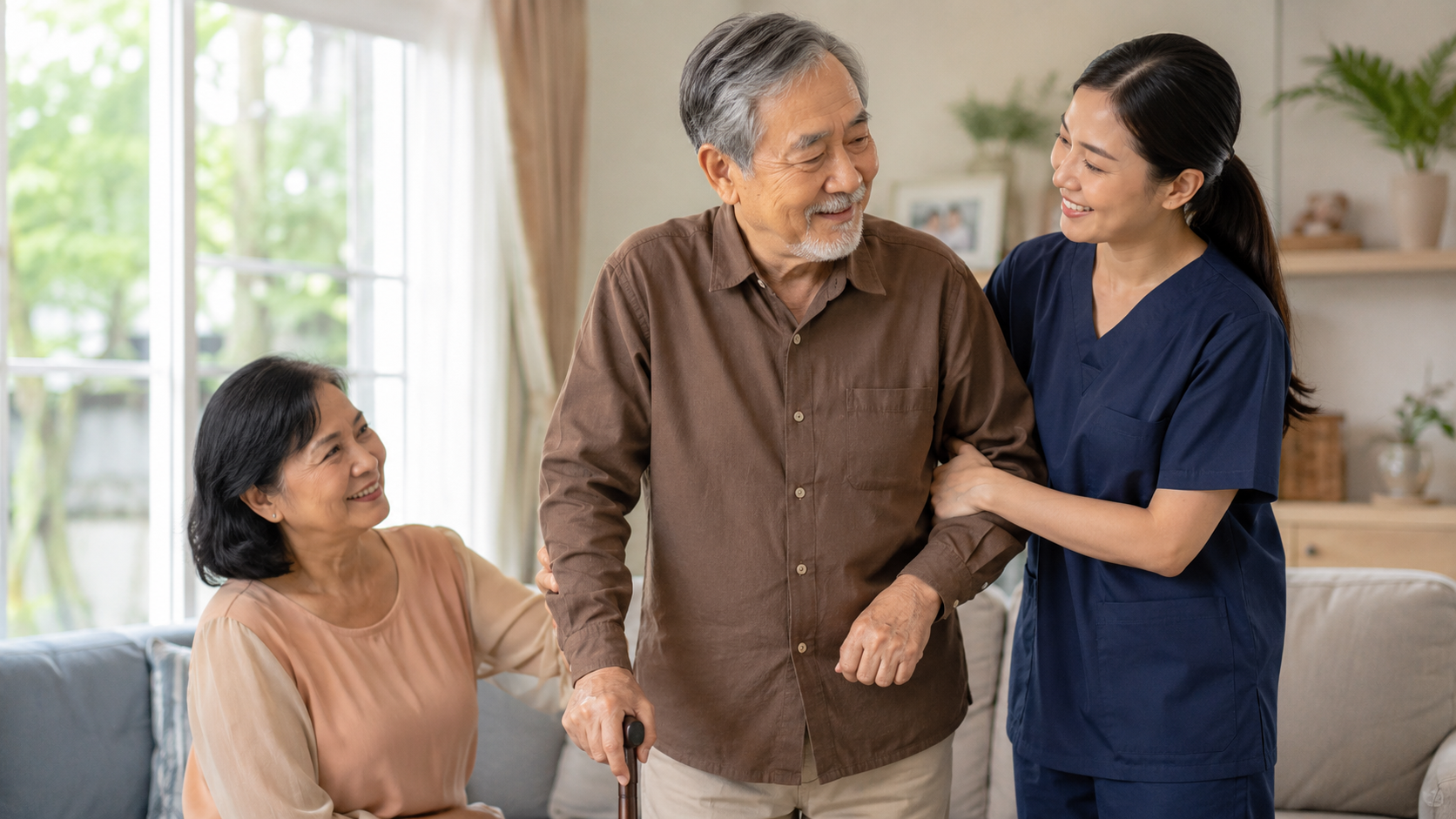
- Mobility and Transfer Assistance: Safe guiding from beds to chairs, helping to reduce fall risks.
- Toileting and Hygiene Support: Attentive care to ensure comfort, skin health, and continence management.
- Morning and Evening Routines: Helping clients start and end their day safely and smoothly.
Benefits of Choosing Personal Care Homes
Opting for personalized care at home provides distinct advantages that boost overall quality of life. Clients experience consistent companionship from a dedicated caregiver, which reduces loneliness and promotes mental well-being. Furthermore, care plans are inherently flexible. Whether a senior needs help for a few hours a day or 24/7 care, support adapts to changing physical needs.
Affordable Home Care Options
Finding Cost-Effective Solutions
Budgeting for care is a primary concern for many families. Finding cost-effective solutions starts with a careful review of needs. This helps you pay only for the care you need.
Hourly care plans let families use trained caregivers at busy times, like mornings or bath time. Family members can cover the rest of the day, making quality personal care easy to access.
Government Programs and Assistance
Navigating the financial side of elder care reveals several helpful avenues. Based on your eligibility, some programs may help pay for home care. These include Medicaid, VA benefits, and long-term care insurance. Exploring these options early helps families maximize available resources and secure reliable, professional care without compromising financial stability.
How to Start Personal Home Care
Steps to Evaluate Needs
Beginning the home care journey starts with a clear evaluation of your loved one's day-to-day challenges. Take note of where they struggle most: Is it safe mobility in the bathroom? Is it managing buttons and zippers while dressing? Scheduling a free consultation with a care coordinator is the best next step.
It will help turn these observations into a clear care plan.
We will structure the plan, make it actionable, and tailor it to their unique routine.
Choosing Between Agencies and Independent Caregivers
Families generally choose between hiring an independent contractor or partnering with an established home care agency. While independent caregivers may offer lower hourly rates, home care agencies provide key benefits. These include background-checked staff, ongoing training, insurance coverage, and backup care if a caregiver falls ill. This administrative oversight ensures consistent care and true peace of mind.
Future Considerations
Trends in Elderly Home Care
The home care industry is rapidly evolving to incorporate smart technology alongside physical caregiving. From wearable fall sensors to remote health monitors, technology helps home health aides and agencies respond faster. It also helps them track wellness trends more accurately. This creates a safer home environment than ever before.
Evolving Needs and Services
- Health needs change over time, and senior care services are designed to adapt along with them. A plan can start with companion care.
- As needs change, it can grow to include personal care.
- It can also add post-surgery recovery support. By connecting early with a flexible care provider, you can support your loved one through aging.
- This helps them move smoothly through each stage.